The Cuban Missile Crisis of October 1962 stands as one of the most pivotal moments in Cold War history. This intense 13-day confrontation between the United States and the Soviet Union is a fascinating example of how nuclear tensions nearly sparked a global catastrophe.
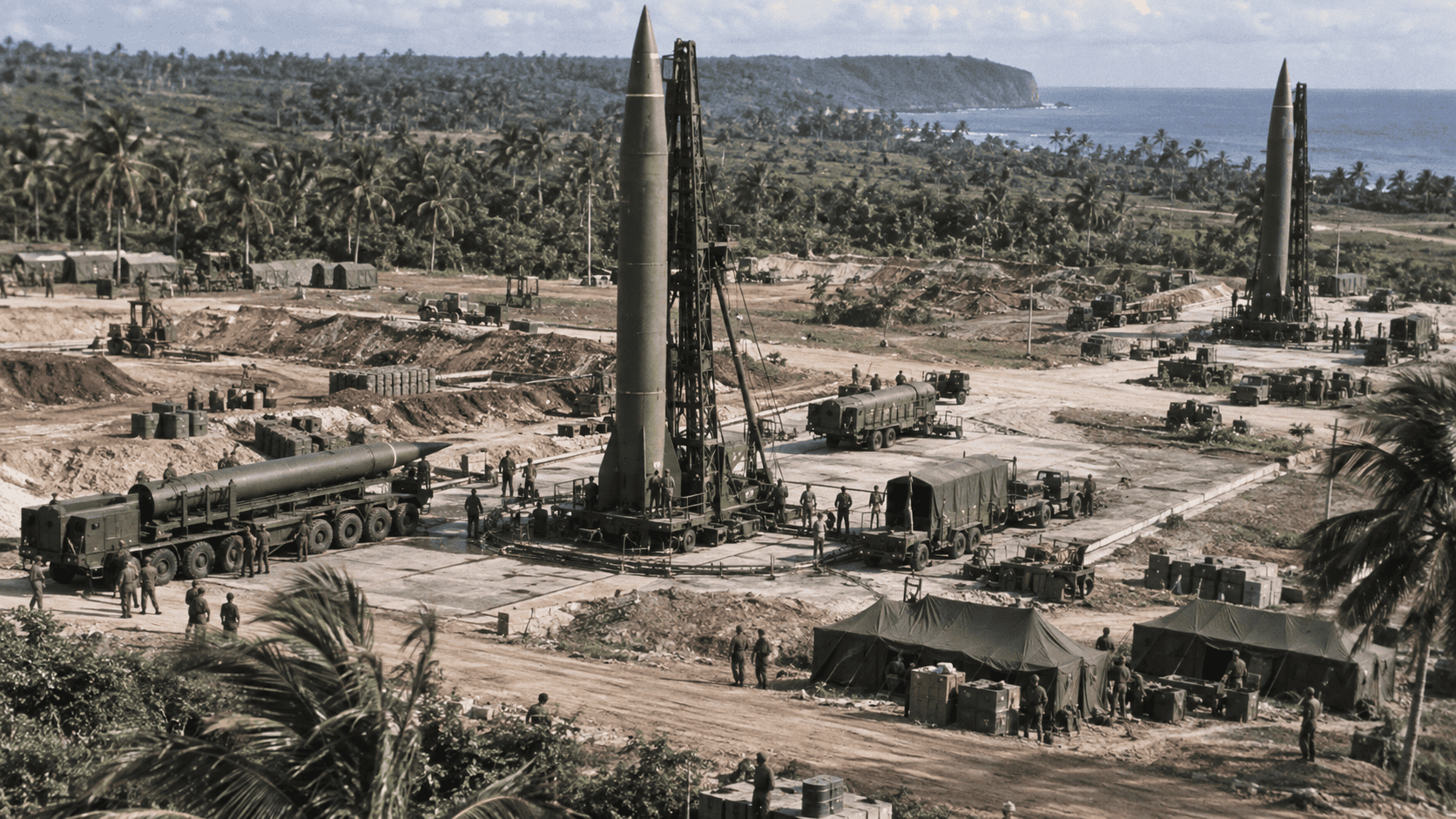
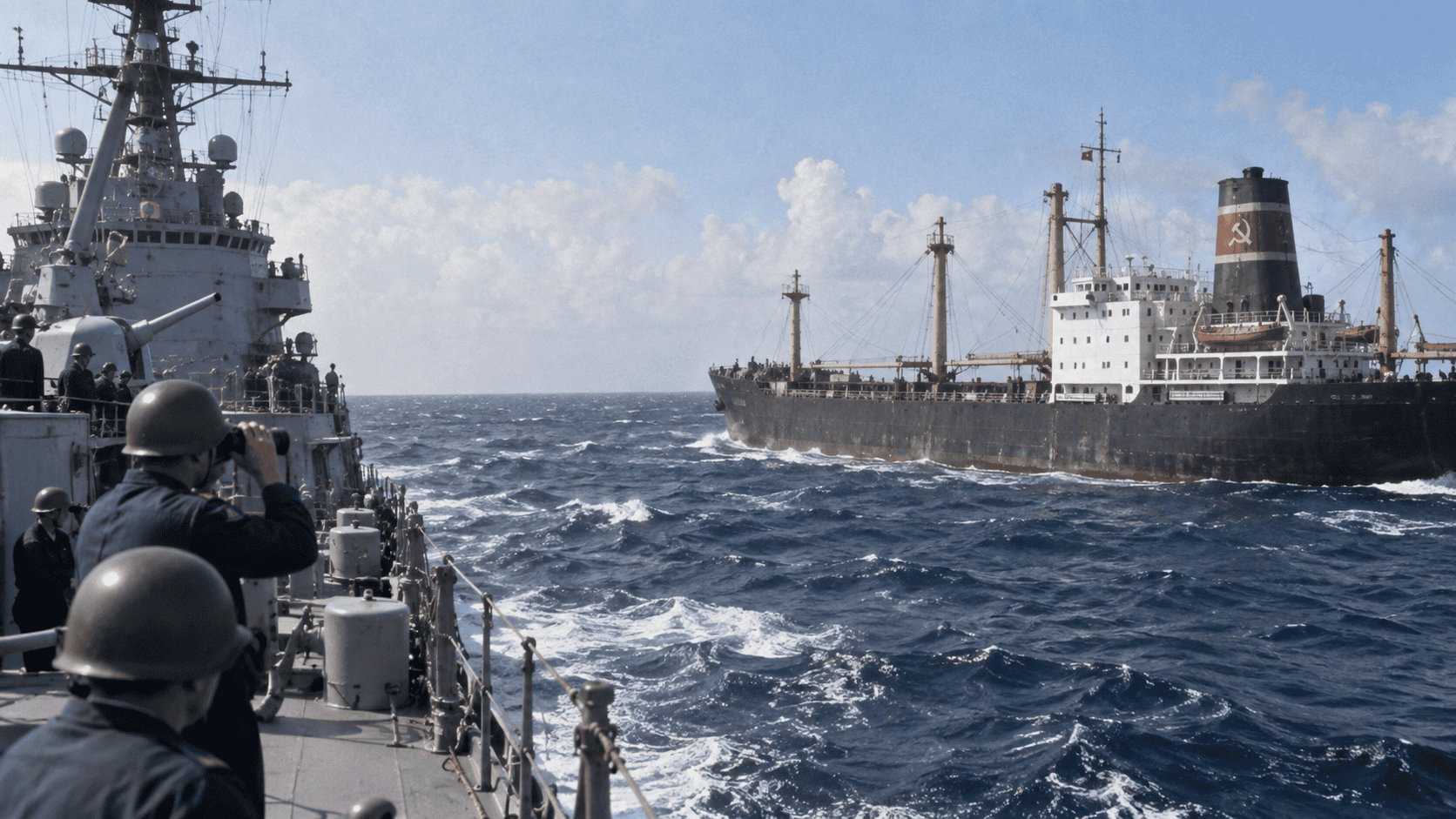
At its core, the crisis revolved around Soviet nuclear missiles in Cuba, a mere 90 miles from American shores. This proximity sent shockwaves through the U.S. government and the public. As tensions escalated, the world held its breath, fearing nuclear war.
The crisis tested several key aspects of Cold War dynamics:
- Superpower rivalries
- Nuclear deterrence theories
- Diplomatic brinkmanship
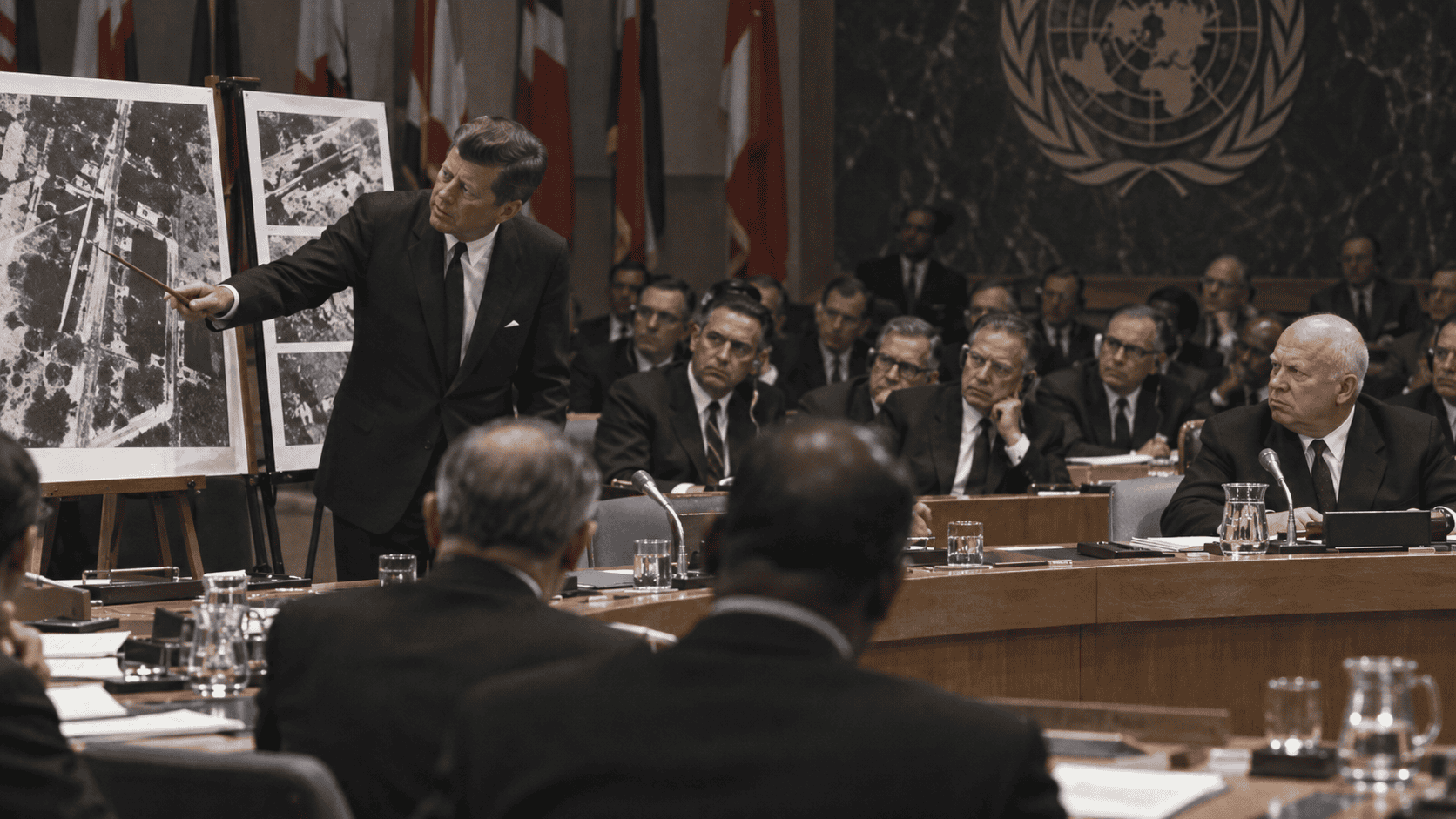
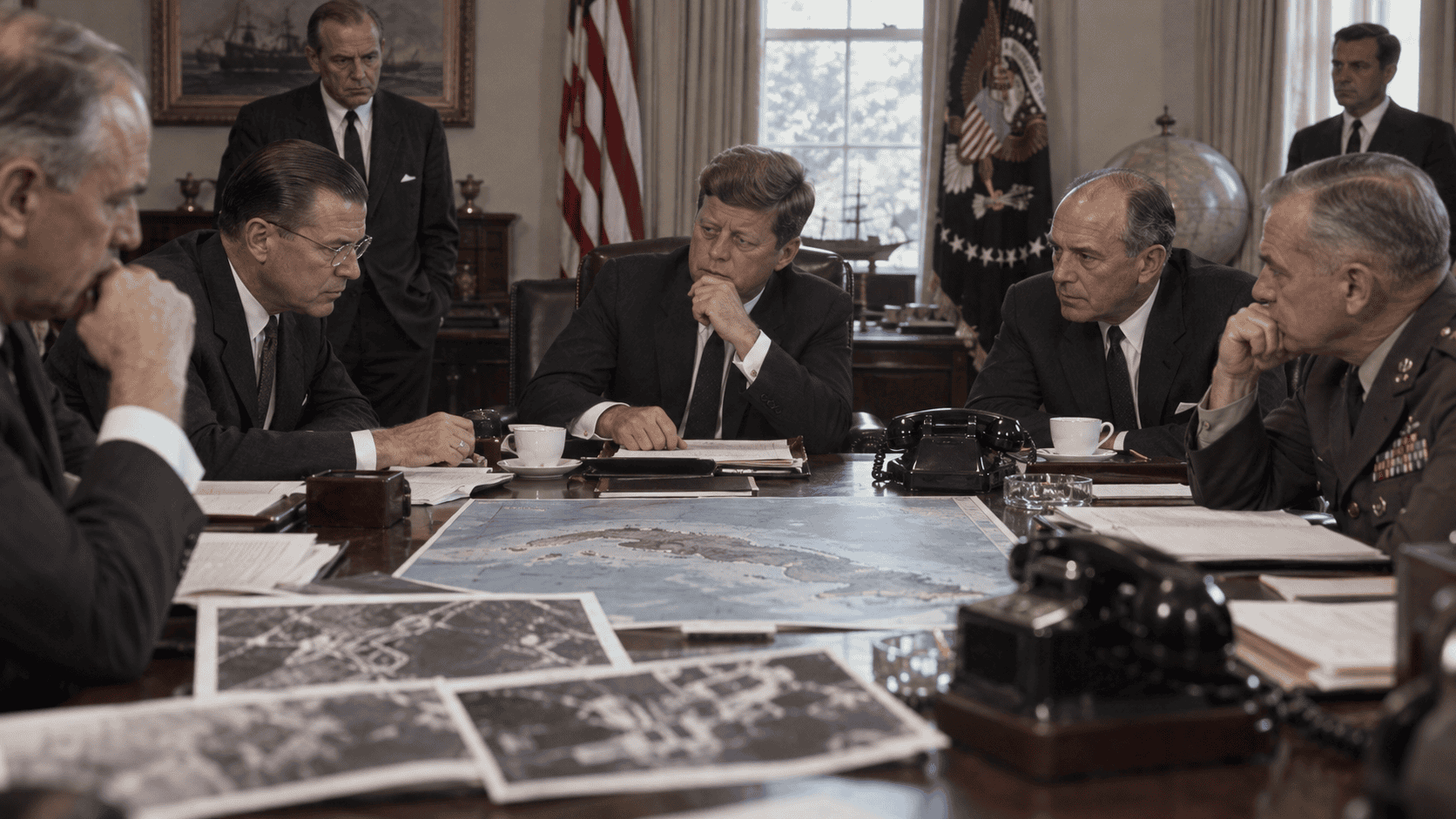
It is remarkable how close we came to disaster. Both sides had their fingers on the nuclear trigger. Yet, through a mix of tough diplomacy and back-channel negotiations, catastrophe was averted.
In the nuclear age, any misstep can lead to unimaginable consequences.
This crisis reshaped how world leaders approached nuclear standoffs, highlighting the need for clear communication channels and crisis management strategies.
To truly grasp the Cuban Missile Crisis, we must examine its origins, the key players involved, and the tense decision-making process that unfolded. In the following chapters, we’ll break down each aspect of this historic event, drawing on declassified documents and firsthand accounts.
The lessons from this crisis remain relevant today. They remind us of the delicate balance required in international relations, especially when nuclear weapons are involved.